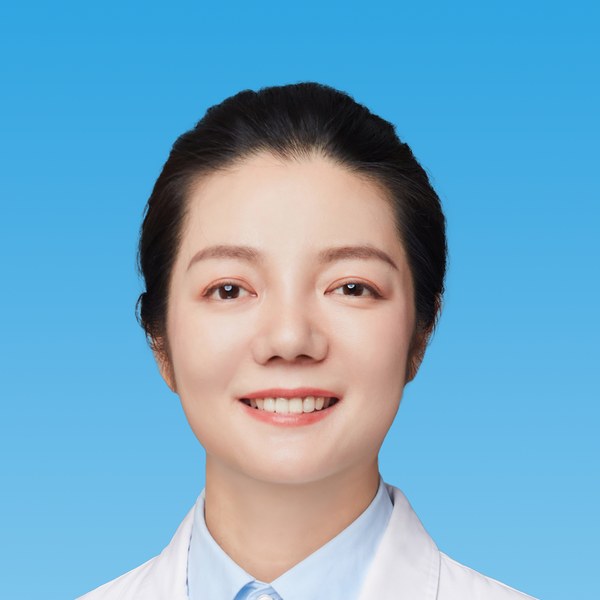
Ke He, MD (何锞)
Deputy Director & Head of Skin & Laser Aesthetics · Attending Physician, Licensed Aesthetic Attending · Medical Reviewer for this service
Skin & laser aesthetics · skin concerns, pigment and healing reviewed remotely
Dr. Ke He is Deputy Director of the Plastic Surgery & Aesthetics Medical Center and head of its skin and laser aesthetic service at Chongqing West District Hospital. A core specialist formerly at the plastic and aesthetic surgery department of Xinqiao Hospital, affiliated with Army Medical University, she has worked on the clinical front line in skin laser and aesthetic dermatology for more than 20 years, serving over ten thousand patients. She is the medical reviewer for the patient education published on this site.
Within this service she reviews the questions that travel best through a screen: the colour, surface and pattern of a skin concern, the way a wound or a scar is settling, and how pigment is behaving over months. She is also the person who says when a photograph has stopped being enough — when a lesion needs to be looked at under proper light, felt, and measured rather than compared with an image.
Clinical focus
Academic roles & achievements
What reviews well, and what does not
Skin colour, surface and the direction of change are visible in a good photograph and can be followed over months. Depth, texture under the finger, and how much tissue can be lifted are not. Most of what she does remotely is decide which of the two a patient is asking about — and say so plainly.